We need a name for male “Karens.” You know the type: white men, usually middle age, determined to control your behavior and who are clueless.
Today I was driving behind such a man on a country road. He was driving way under the speed limit and I was in a rush. I didn’t honk, I didn’t flash, I didn’t tailgate, but when I saw the chance to pass him I did. He sped up to try to stop me from passing him. Clearly he thought to himself, what is this guy in such a hurry? I’ll slow him down.
The guy knew absolutely nothing about my situation. For all he knew, I could be bleeding to death and racing to the hospital.
Not my first encounter with the self-appointed speed vigilante patrol. In Napa a guy sped up to prevent me from passing then slowed to keep me from getting back behind him. A car was coming the other direction. Dude tried to kill us both. It has happened a few other times.
I don’t care if someone wants to pass me. I pull over and let them. Not. My. Business.
I have never seen a woman behave this way. I have never seen a black guy behave this way.
Anyway, let the naming begin!

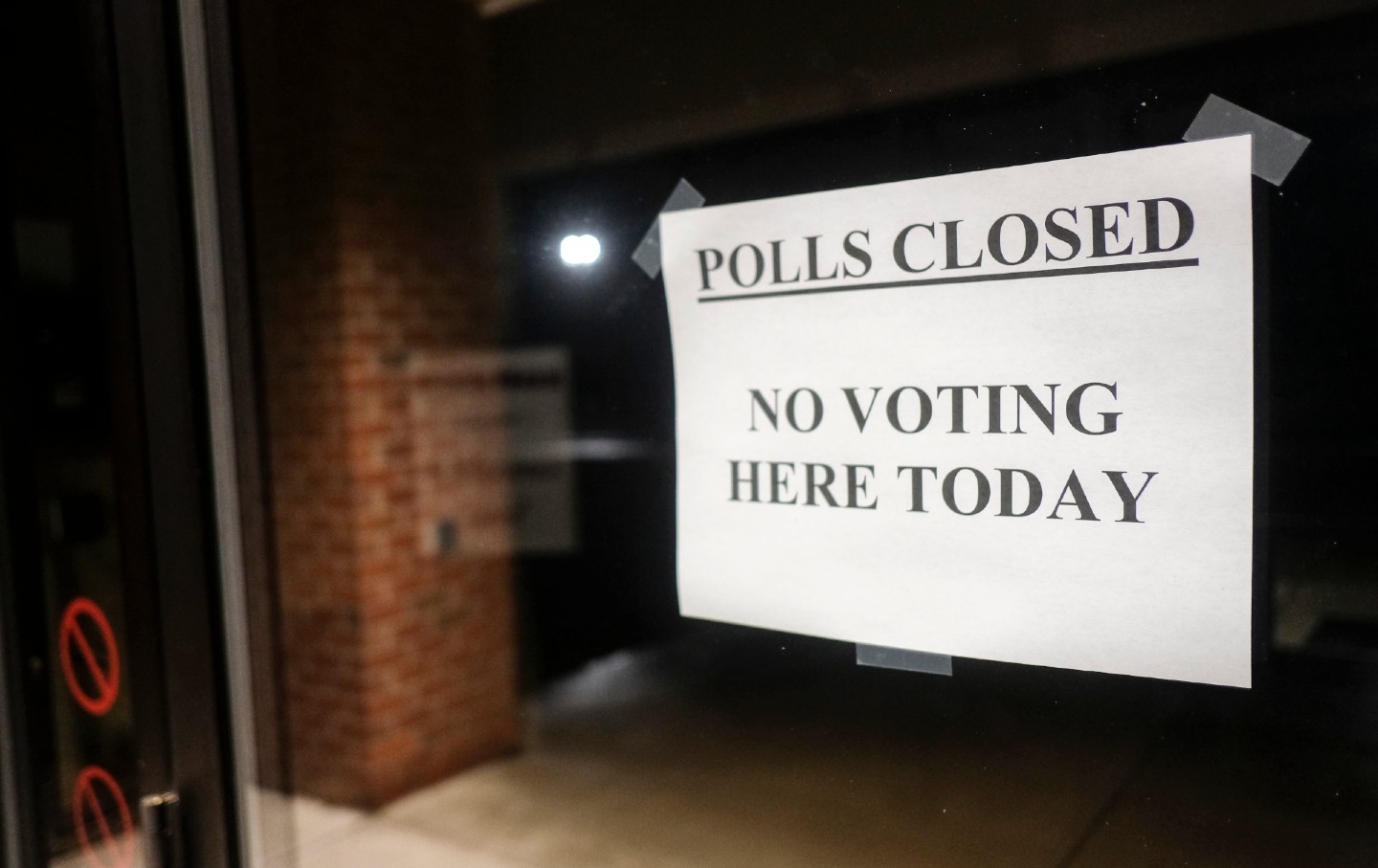 The stock response to President Donald Trump’s suggestion that the general election might be delayed because voting during a pandemic would involve a record number of mail-in ballots, a format he argues is unreliable and susceptible to fraud, is that he doesn’t have that power.